Mago
Interacting with the digital world without a digital interface.
The Problem
We participated in the PennApps 2015 Winter Competition with the desire to build a hardware hack. With a thermal printer at hand, we brainstormed clever ways of utilizing it as a focal point of our hack and settled on a solution to help older generations with technology.
Modern technology is still a challenge for the elderly and those who suffer from disabilities that interfere with their ability to interact with the digital world. Mago, a unique system, allows users to interact with the digital world without a digital interface. Mago allows users to view information in a medium they are comfortable with: paper. This creates a comfortable experience for the non tech savvy users.
Mago
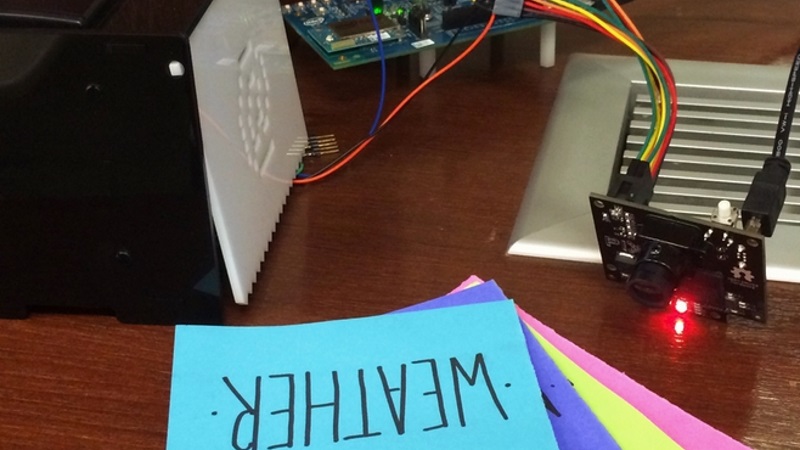
Mago is a system that lets users interact with digital services entirely through colored paper cards. You hold a card in front of a camera; the system identifies it by color, calls the appropriate API, and prints the result on a thermal receipt.
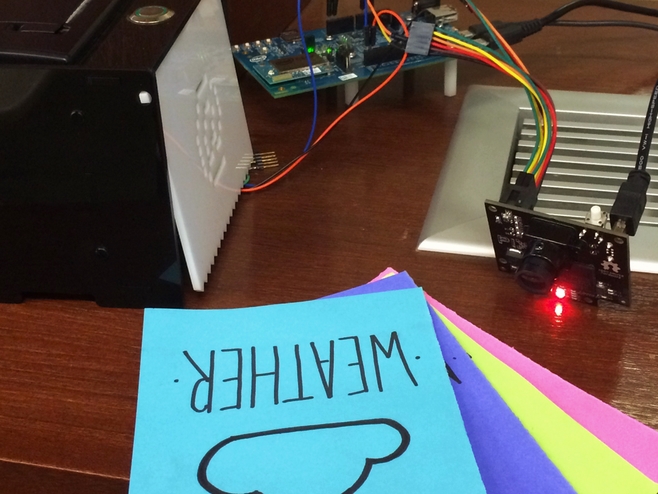
Cards could fetch the current weather, pull local news and events, surface a contact, send an emergency SMS, poke a friend, or order food — all without touching a screen. Paper in, paper out.
Build
We divided the work across four areas: CMU PixyCam integration, Intel Edison hardware coordination, thermal printer output, and the API/service backend (my responsibility). Each component had its own constraints.
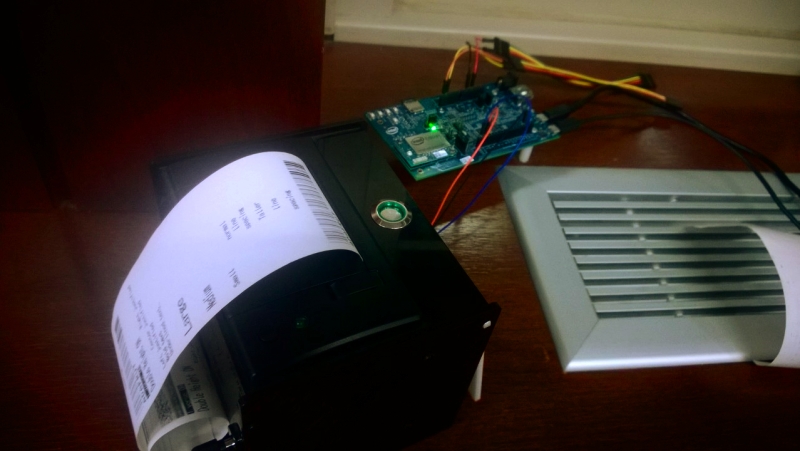
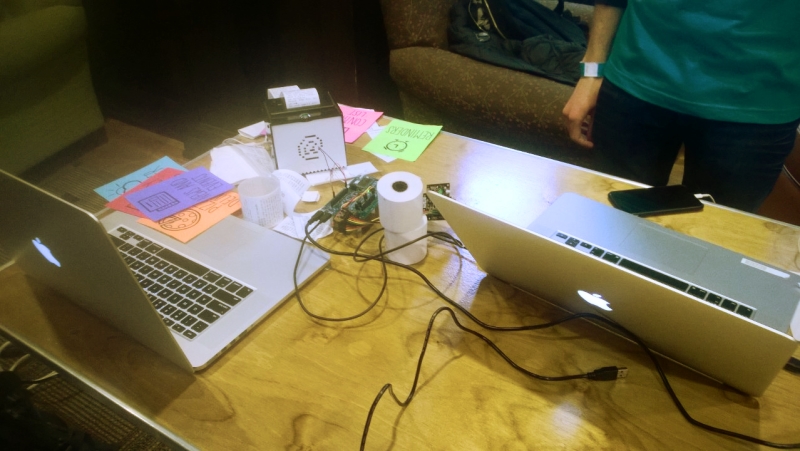
Given the 24-hour timeframe, we simplified from object detection to color-based card recognition, and from rich print layouts to linear thermal output. The core interaction held up.
Outcome
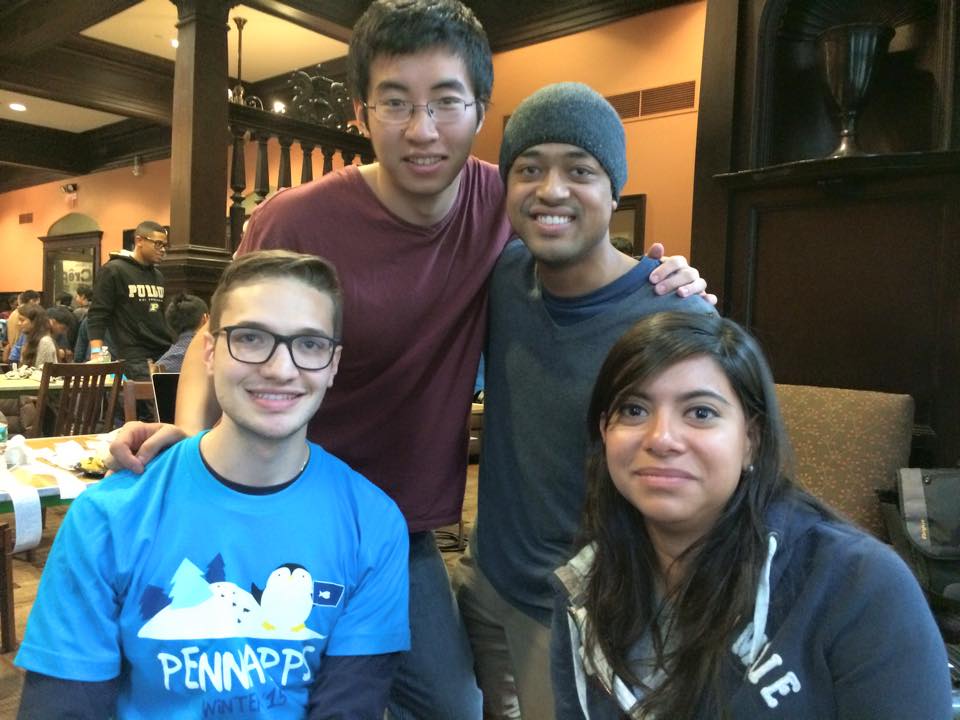
Mago won Best Hardware Hack at PennApps 2015 Winter. In a hackathon full of apps, the bet on physical hardware and tangible interaction paid off — the judges responded to something they could hold and watch work in real time.
Role
Web service infrastructure and pitch delivery. Built the API backend layer connecting the Edison to external services (Weather Underground, Postmates, Yo, and others).